81st Edition: [Nishiya, the Dad's Shop That's Back] x Specially Cultivated Gohyakumangoku Rice Junmai Ginjo Unfiltered Genshu <Snow Cellar Bottled>
June has arrived, and Okinawa has already seen the end of its rainy season. Meanwhile, the rainy season is progressing from south to north across Honshu, with temperatures hovering around 30 degrees Celsius, making it feel like summer. At this time of year, when our bodies are not yet accustomed to the heat, it can be difficult to manage our health. The sake rice used in the specially cultivated Gohyakumangoku Junmai Ginjo unfiltered sake featured this time is from Yoshinogawa Agricultural Products. This year's rice planting was successfully completed at the end of May, and from now on, weeds will be removed while water management will be carried out according to the growth of the rice plants. Facing various changes in nature, such as the rainy season, rising temperatures, and typhoons, the rice that will become the basis of delicious sake will be carefully cultivated. Just as water management is important in rice cultivation, we humans also need to stay hydrated during this season. Let's enjoy delicious recipes and Yoshinogawa sake and get through the summer in good health!
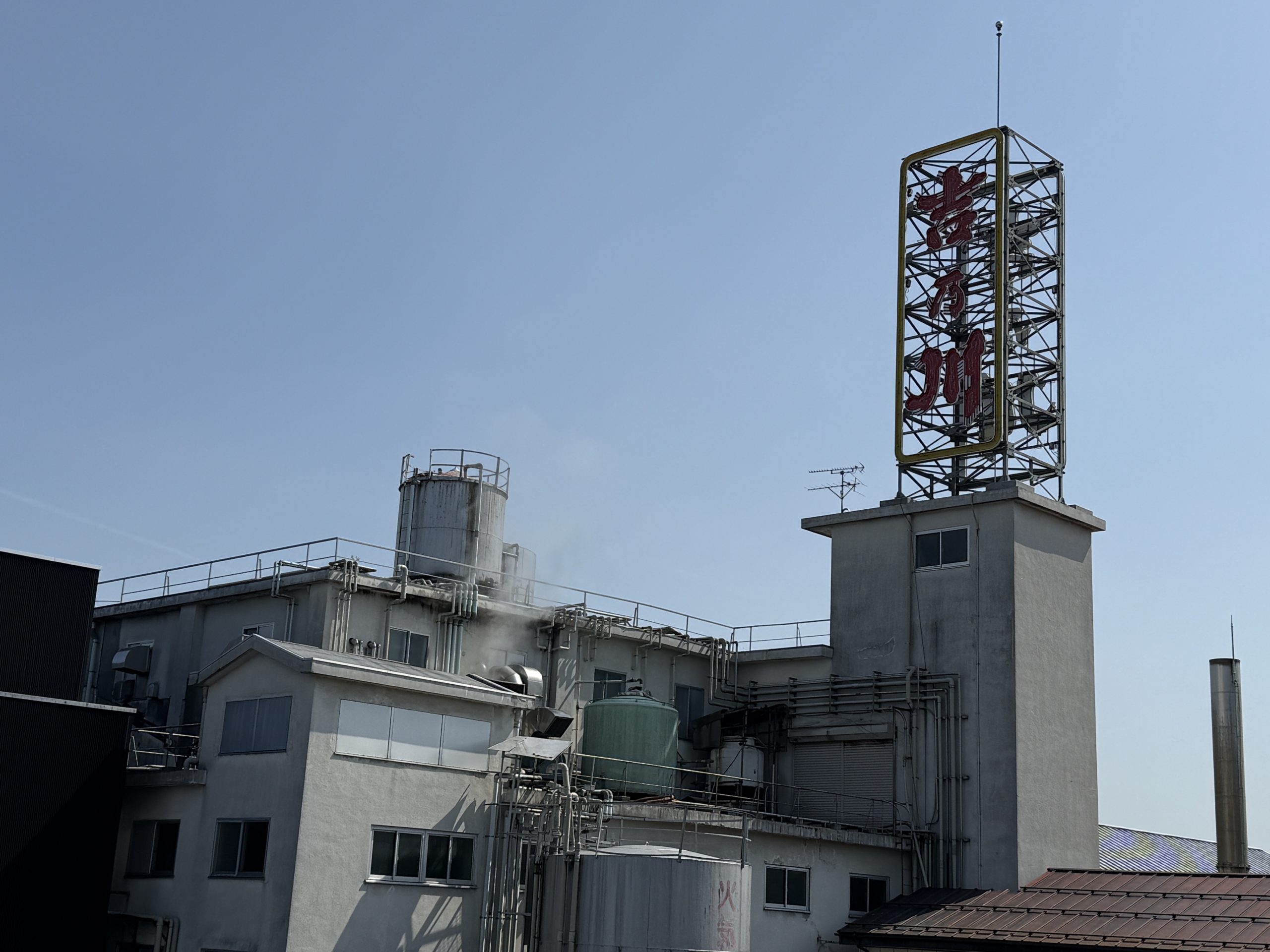
Now, in this segment, "Tipsy OneDish," we visit restaurants and bars in Niigata Prefecture and ask them to come up with snacks that pair well with Yoshinogawa sake. The restaurant that will be making the dishes this time is from Tainai City, which is making its first appearance in this segment.My dad's shop, Nishiya, has returned.This is [Name of chef]. This time, they prepared dishes that pair well with our specially cultivated Gohyakumangoku Junmai Ginjo unfiltered sake <snow cellar bottle-aged>!
Specially Cultivated Gohyakumangoku Junmai Ginjo Unfiltered Genshu <Snow Cellar Bottled> is brewed using Gohyakumangoku rice, which is cultivated by Yoshinogawa Agricultural Products and certified as specially cultivated rice by Niigata Prefecture. After bottling in winter, it was aged for about 6 months in a snow cellar storage facility. Storing it in a snow cellar allows it to mature smoothly and mellow while retaining its freshness, resulting in a complex and rich, pure sake flavor. Please enjoy it chilled or on the rocks.

The restaurant that prepared the dishes for this occasion is "Oyaji no Mise Nishiya" (Father's Shop Returning). The name "Oyaji no Mise" (Father's Shop) reflects the wish of the young owner, Ryo Yokoyama, who hopes to continue running the shop for many years to come. The name "Nishiya" comes from the fact that the shop is located on the west side of JR Nakajo Station. The lantern at the entrance of the shop is designed to resemble a bowl used in kappo (traditional Japanese cuisine). All the lettering is handwritten by the owner, Chika, and is used not only on the lantern but also on small details such as chopstick wrappers. The shop uses local vegetables and fish as much as possible in its dishes, and the owner, Yokoyama, is a friendly person who generously shares the techniques he cultivated in kappo. In fact, customers often ask, "How do you make this dish?", and this closeness is one of the charms of this shop.
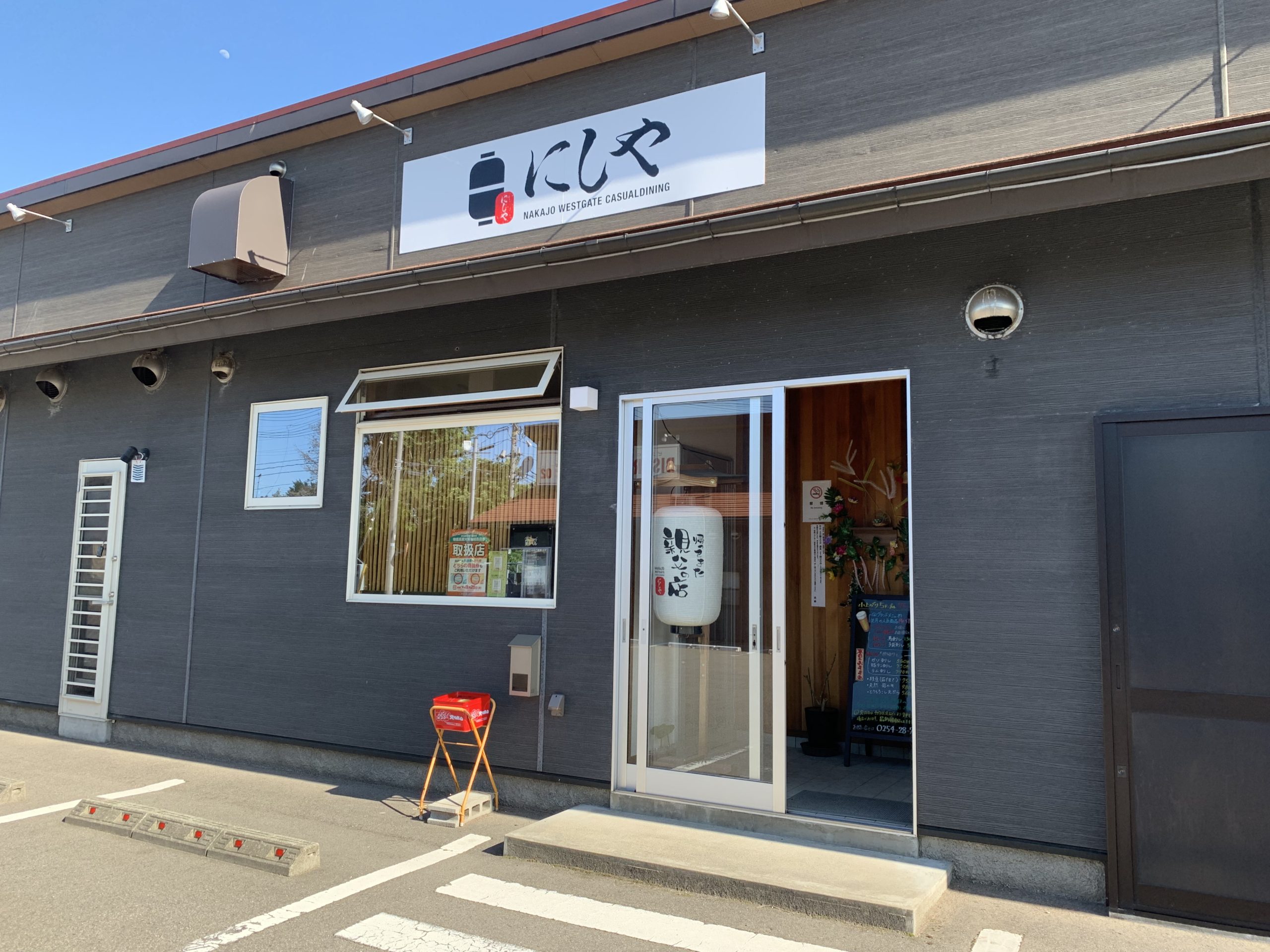
This time, we asked manager Yokoyama to prepare a dish that pairs well with our Junmai Ginjo unfiltered sake <Yukimuro Bin-kakoi>: "Warm Pork Shabu-Shabu." The key is the broth used to pre-boil the pork, so be careful not to discard it!
Now, let's get straight to the recipe!
★Ingredients★ (3 servings)
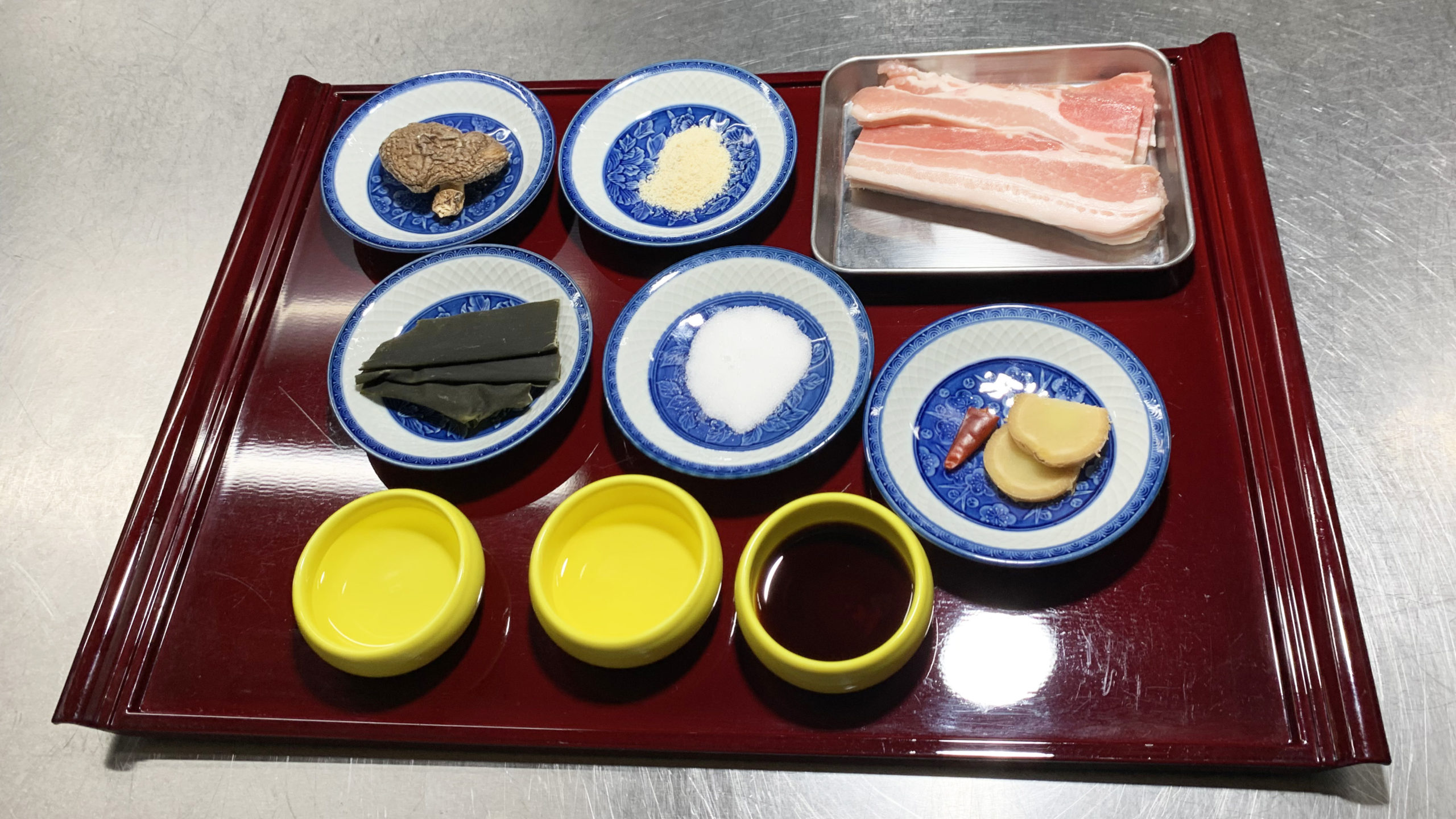
Pork (for shabu-shabu): 180g
・Water: 1400cc
Alcohol: 2 tablespoons
Salt: 1 teaspoon
Chicken stock powder: 1 teaspoon
Dried shiitake mushroom: 1
- Noodle soup base: a little over 2 tablespoons (Soy sauce: 1.5 tablespoons, Mirin: 1 tablespoon, Kombu seaweed: 4g)
・Leek: 1
・Ginger slices (thick): 2 slices
- Chili pepper: 1/2 piece
・Japanese ginger: 2 pieces
・Radish sprouts: 1/2 pack
Red bell pepper: appropriate amount
<Ratio of balsamic vinegar and soy sauce>
Soy sauce: 1.5
Balsamic vinegar: 1
• Boiling broth: 2
• Honey: 0.5
Salt: a pinch
<How to make>
~Prepare the broth for parboiling the pork.~
1. Fill a pot with water and soak the dried shiitake mushrooms and kelp for one hour.
POINT: Put dried shiitake mushrooms and kelp into the water.
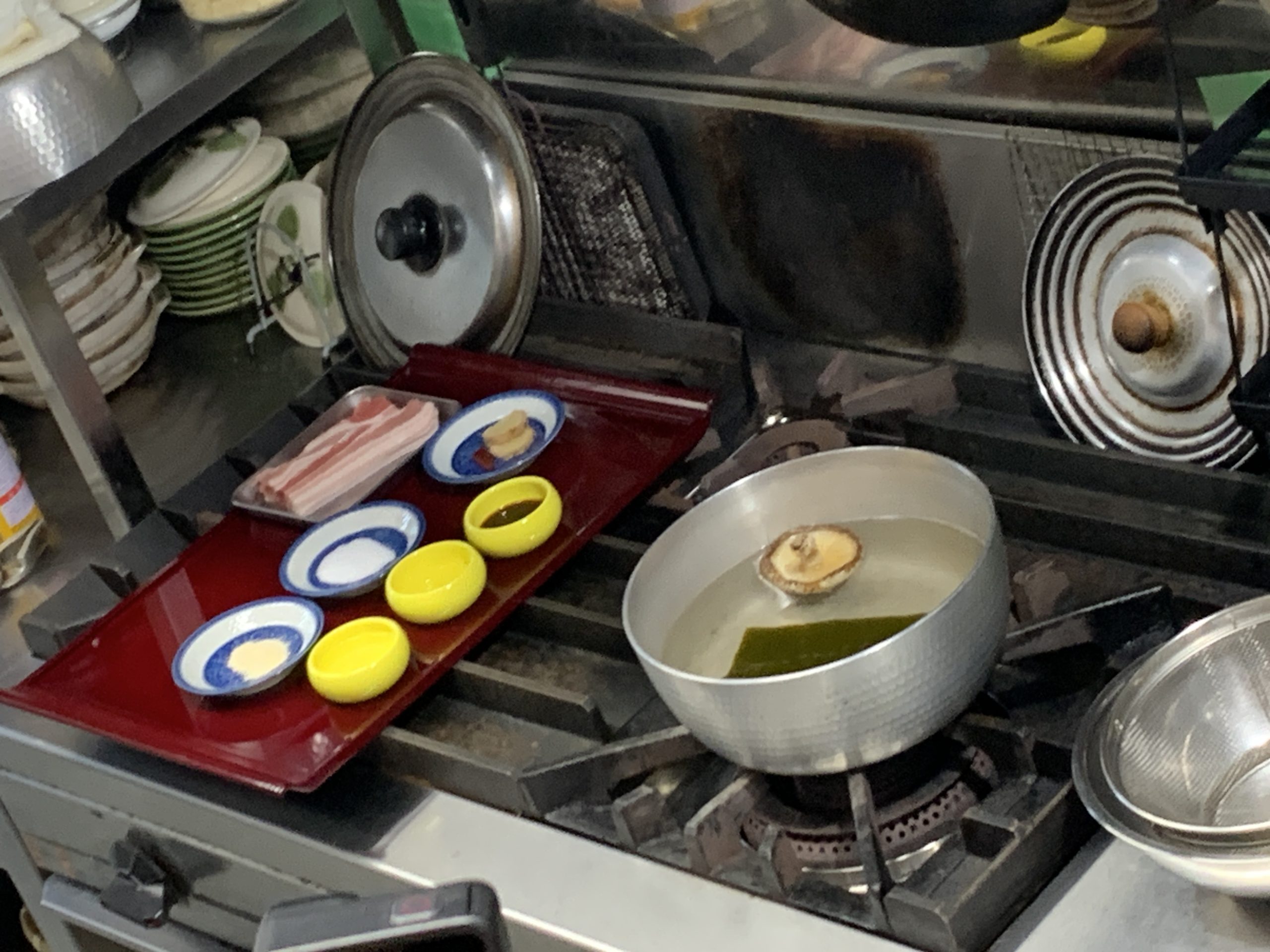
2. Heat the broth, then add salt, soy sauce, mirin, sake, chicken stock powder, ginger, and chili peppers.
POINT: Do not let it boil! (It's OK when the edges of the pot start to simmer.)
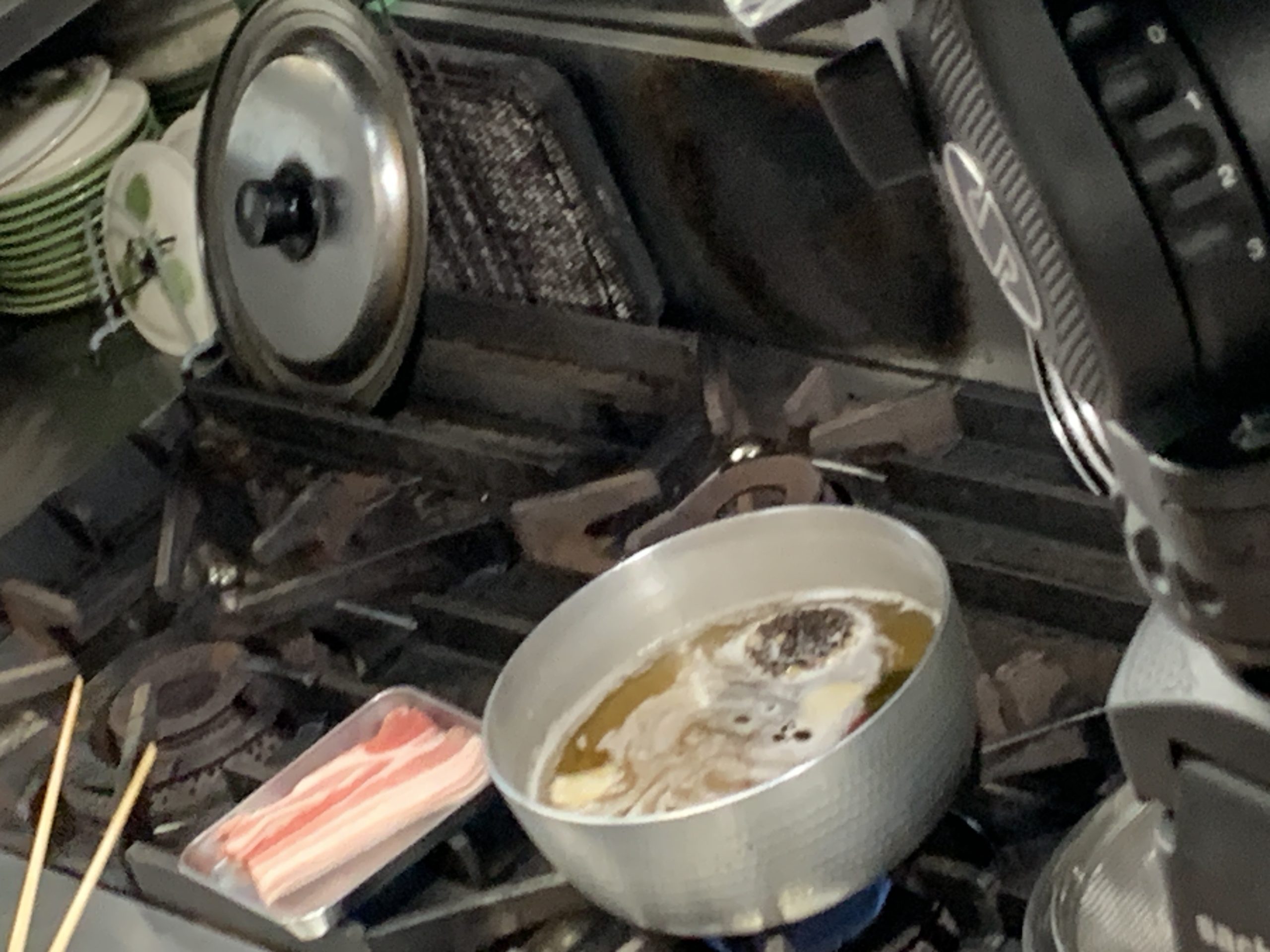
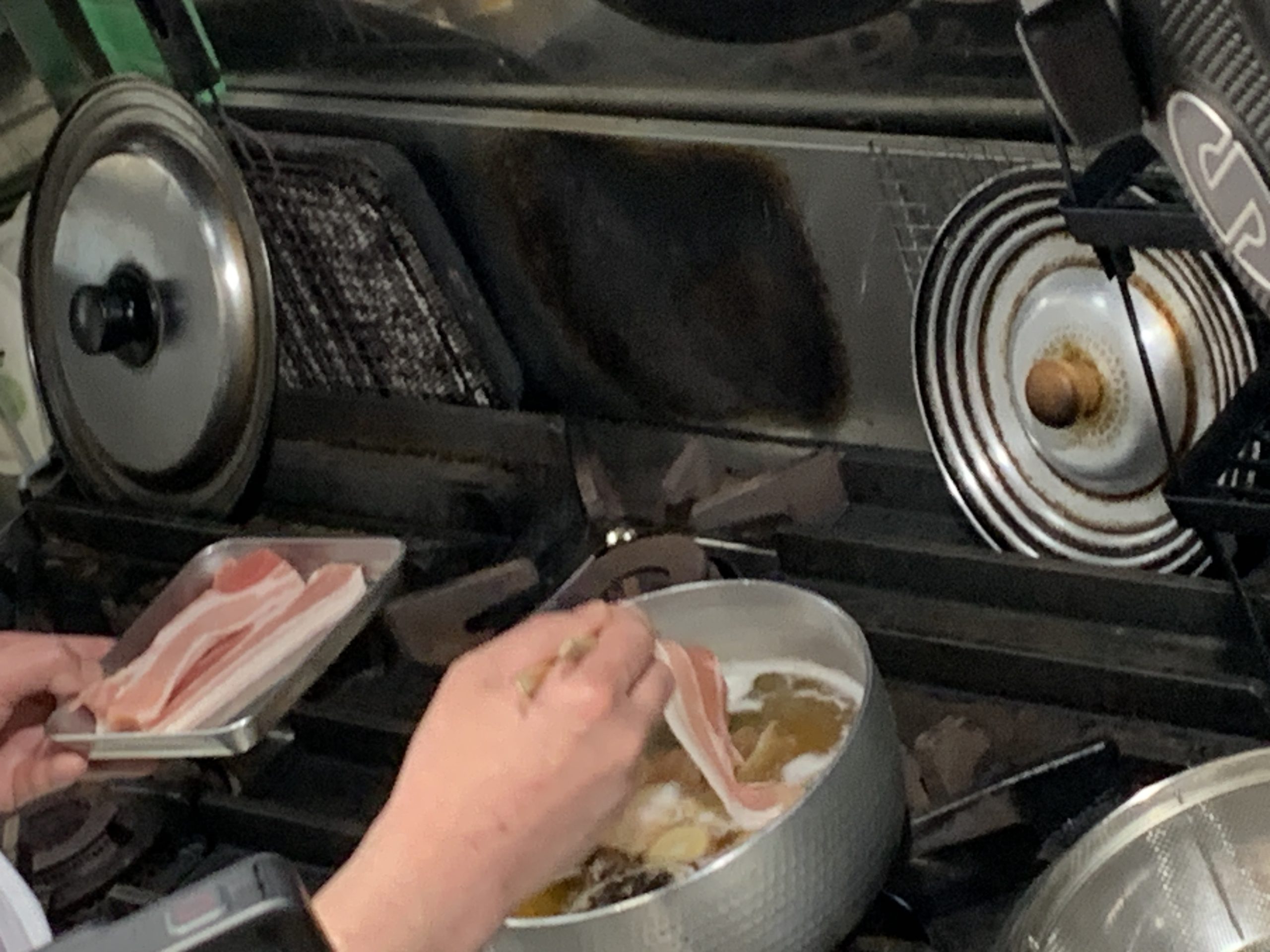
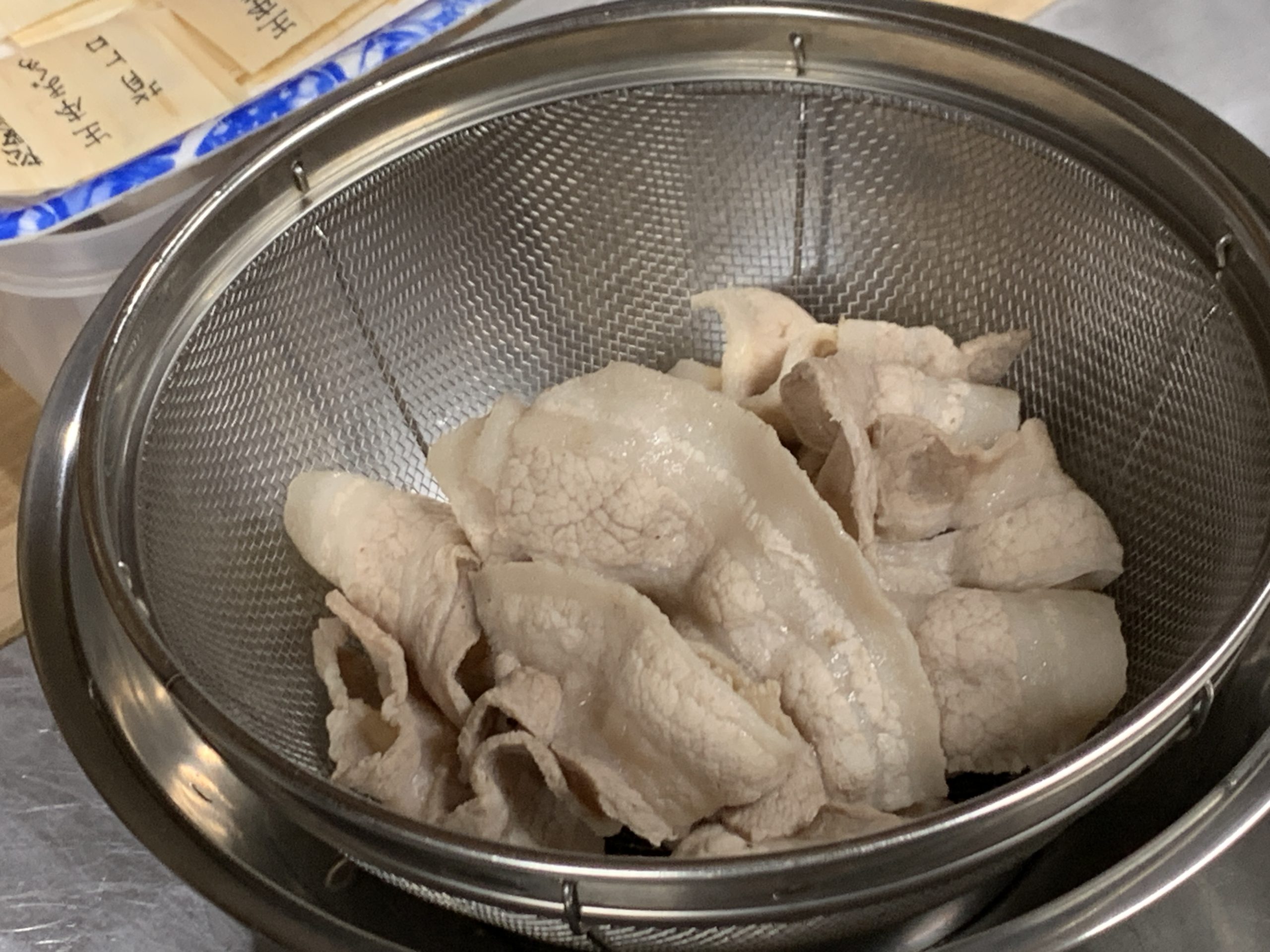
3. Carefully add the pork slices one by one. It's done when the color changes. Drain in a colander.
POINT: When boiling, use low heat, and be careful not to add the meat all at once, as it will become tough!
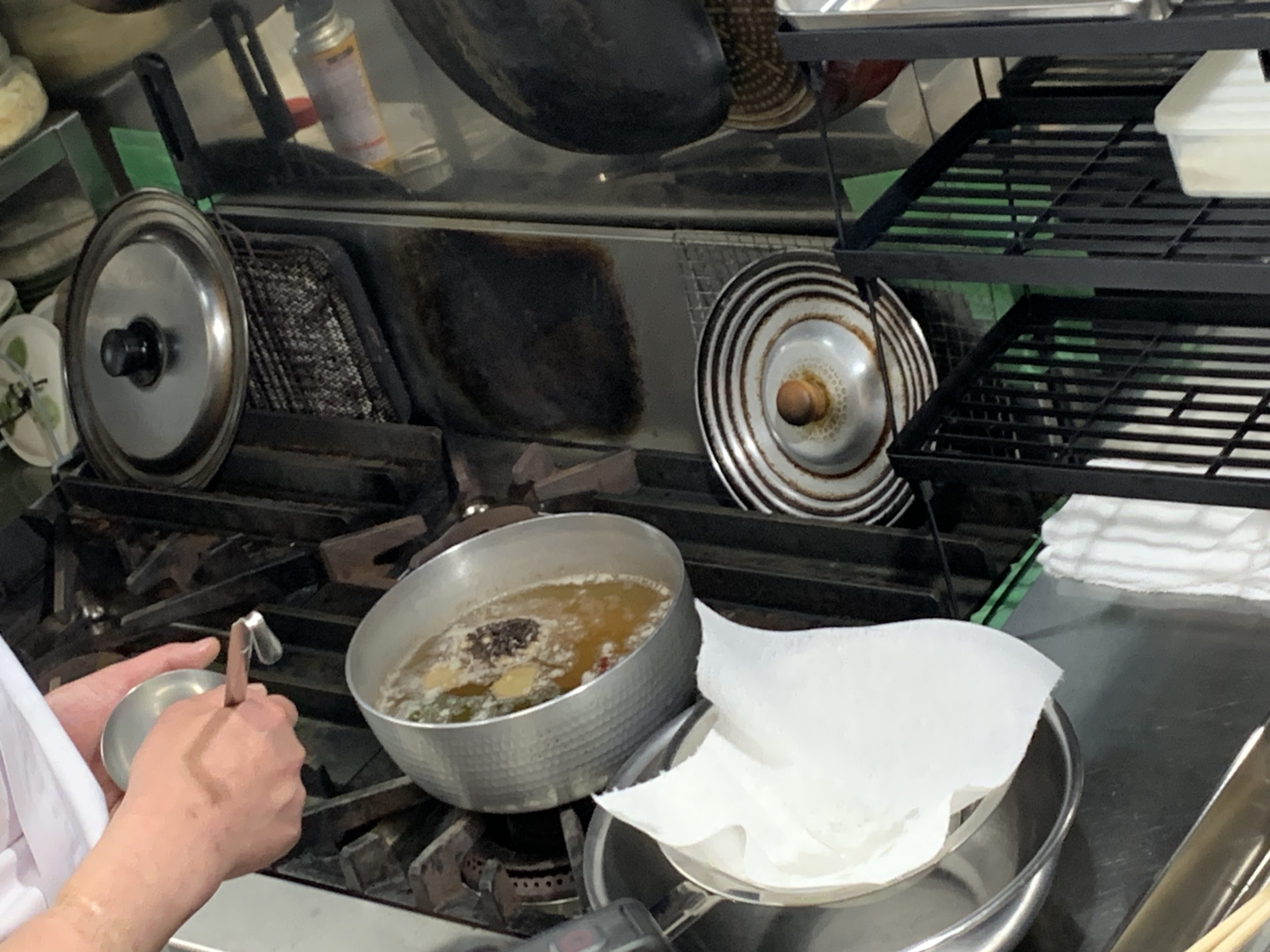
4. Strain the broth, which has released the flavor of the pork, through a sieve lined with kitchen paper.
POINT: Strained broth can be stored in the refrigerator for about a week.
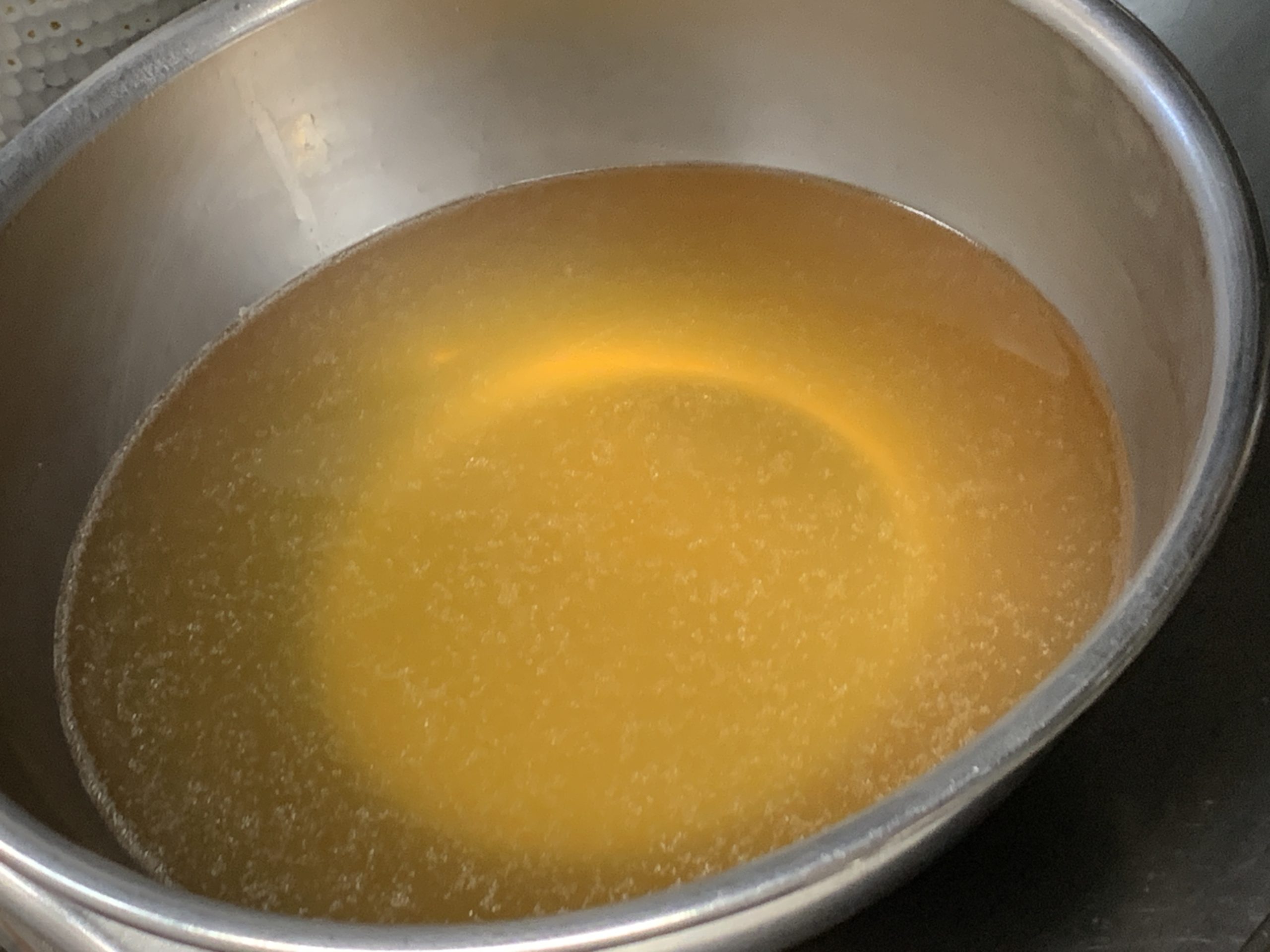
5. Cut the side dishes and arrange them on a plate, and it's done!!
POINT: This time, we're also using this broth in the balsamic soy sauce.
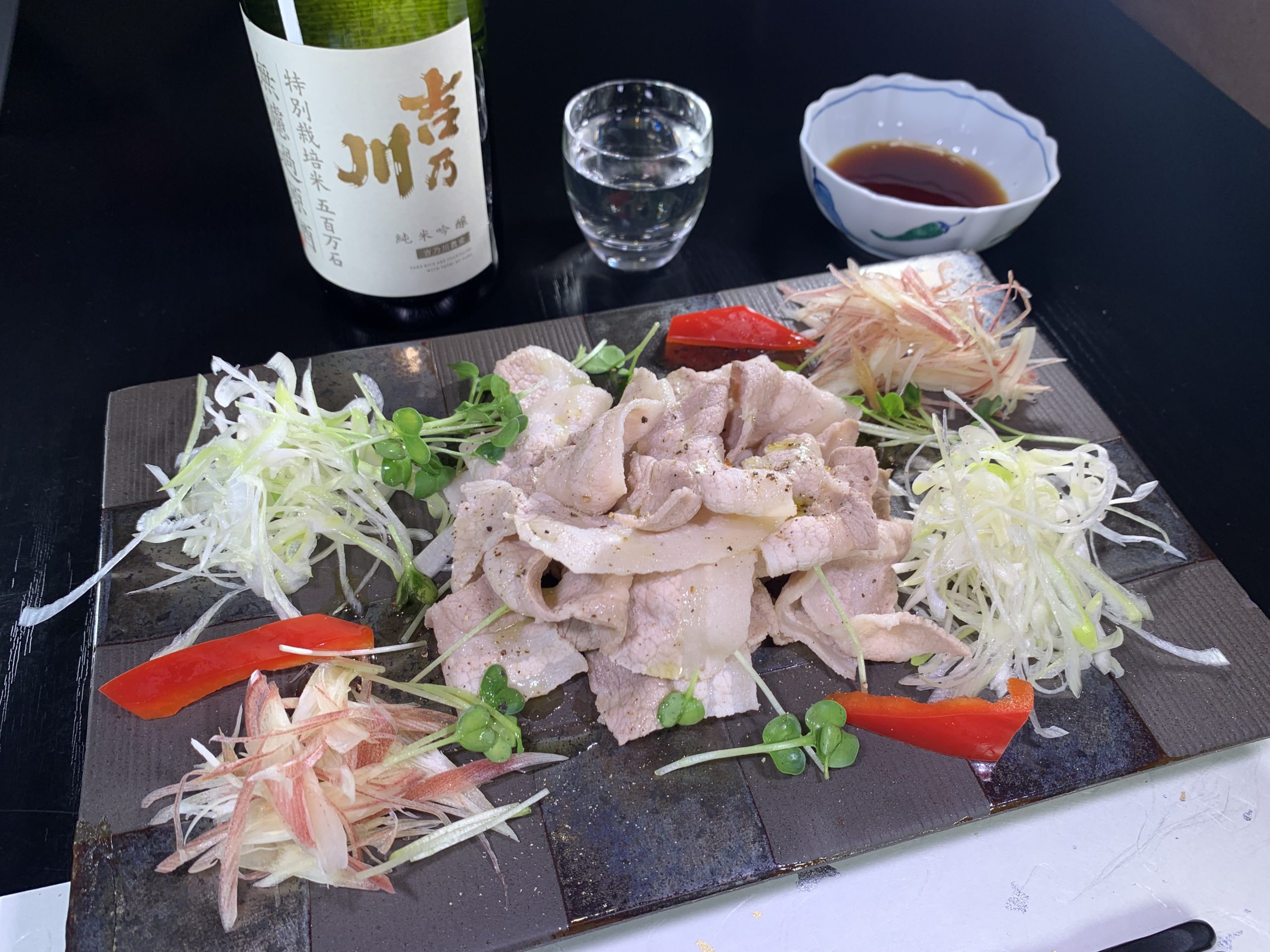
The pork, simmered in broth, absorbs a subtle flavor and has a tender, bouncy texture. When dipped in balsamic soy sauce, it offers a refreshing aroma and a hint of acidity. The smooth mouthfeel and rich umami of the well-chilled Junmai Ginjo unfiltered sake <Yukimuro Binkakoi> pairs well with the acidity of the balsamic, allowing you to fully appreciate the taste of sake. We also recommend wrapping the pork in the accompanying green onions, myoga ginger, radish sprouts, and bell peppers. This recipe is perfect for gently warming up a body that has been chilled too much in an air-conditioned room.
• Warm pork shabu-shabu: 880 yen (tax included) *Limited time offer
And here's another recommended item from the restaurant!
Assorted sashimi (5 types): 1,815 yen (tax included)
*Contents may vary depending on availability and season.
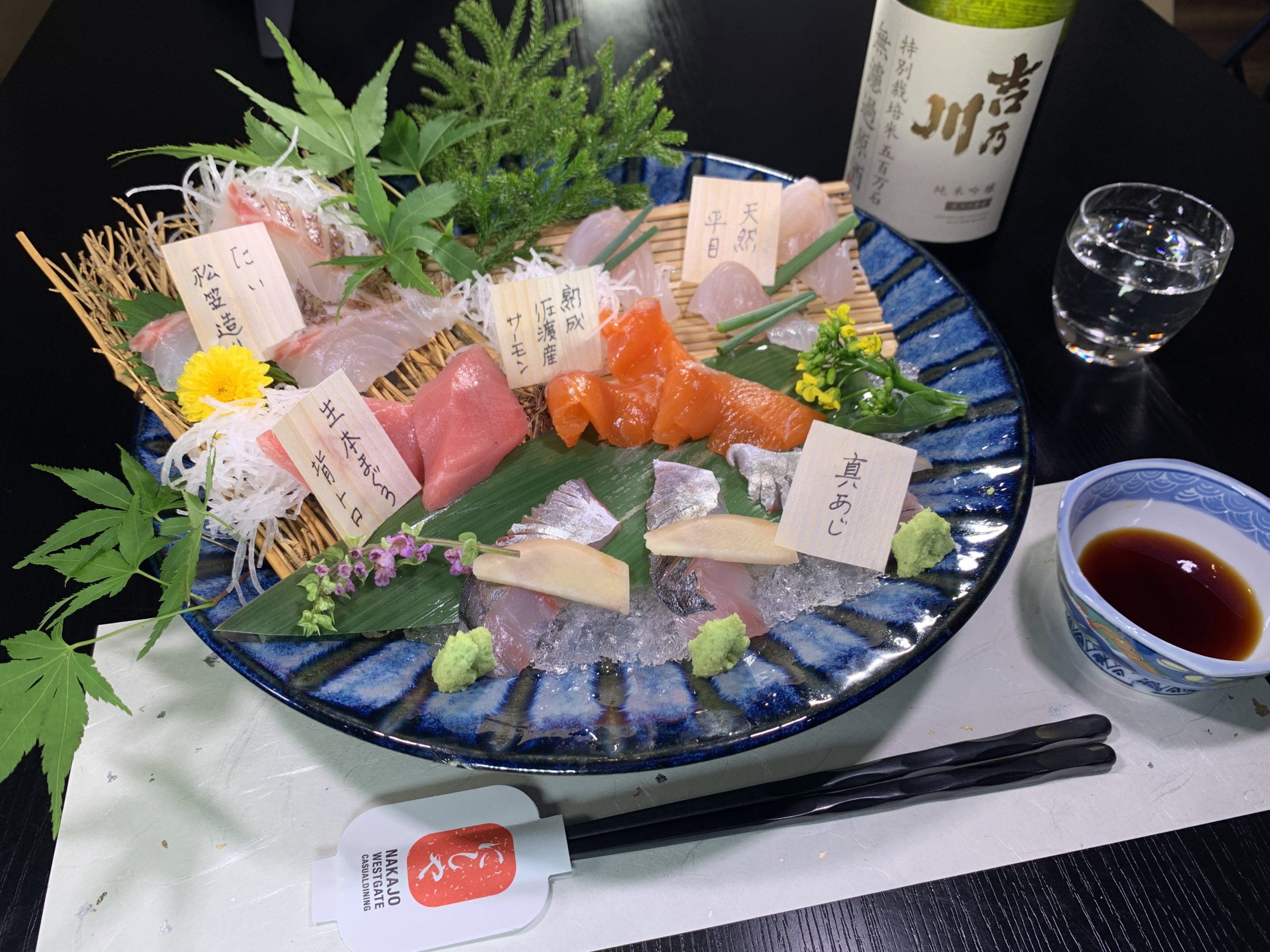
(At the time of filming: Bluefin tuna, aged Sado salmon, sea bream, flounder, horse mackerel)
This dish is one of the restaurant's recommended menu items, and it features aged sashimi.
While aged sashimi may not be a familiar concept, among the items photographed here, the tuna and Sado Island salmon are aged. The tuna is aged using a method called "dry aging," where it is stored in the freezer without being wrapped, and the rare center portion is used. The salmon is aged in the freezer after being coated with salt. This aging process allows the fish's natural fats to distribute thoroughly, making the flesh softer and resulting in a more melt-in-your-mouth texture. The mellow flavor of the fat that spreads in your mouth harmonizes with the richness of the Junmai Ginjo unfiltered sake <Yukimuro Binkakoi>, creating an exceptional pairing. In addition, the soy sauce for the sashimi is homemade by the restaurant. Please enjoy the marriage of aged sashimi and this special soy sauce with your sake.
The details of this event will be broadcast on NST on Saturday, June 14th at 6 PM.Smile StadiumIt will be broadcast within "[program name]!". It will only be broadcast within Niigata Prefecture. For those outside the prefecture, please check the YouTube channel "I love Niigata! ChannelYou can view it at [link/website].
「My dad's shop, Nishiya, has returned.」
[Address] 18-55-3 Nishihonmachi, Tainai City, Niigata Prefecture
[Telephone] 0254-28-7251
[Business Hours]
Tuesday to Thursday & Sunday: 17:00 - 22:30 (Food: Last Order 21:30, Drinks: Last Order 22:00)
Friday, Saturday, and the day before a public holiday: 17:00 - 23:00 (Food last order 22:00, Drinks last order 22:30)
[Regular closing days] Mondays and the 1st, 3rd, and 5th Sundays of the month. *Please check our website for details.